
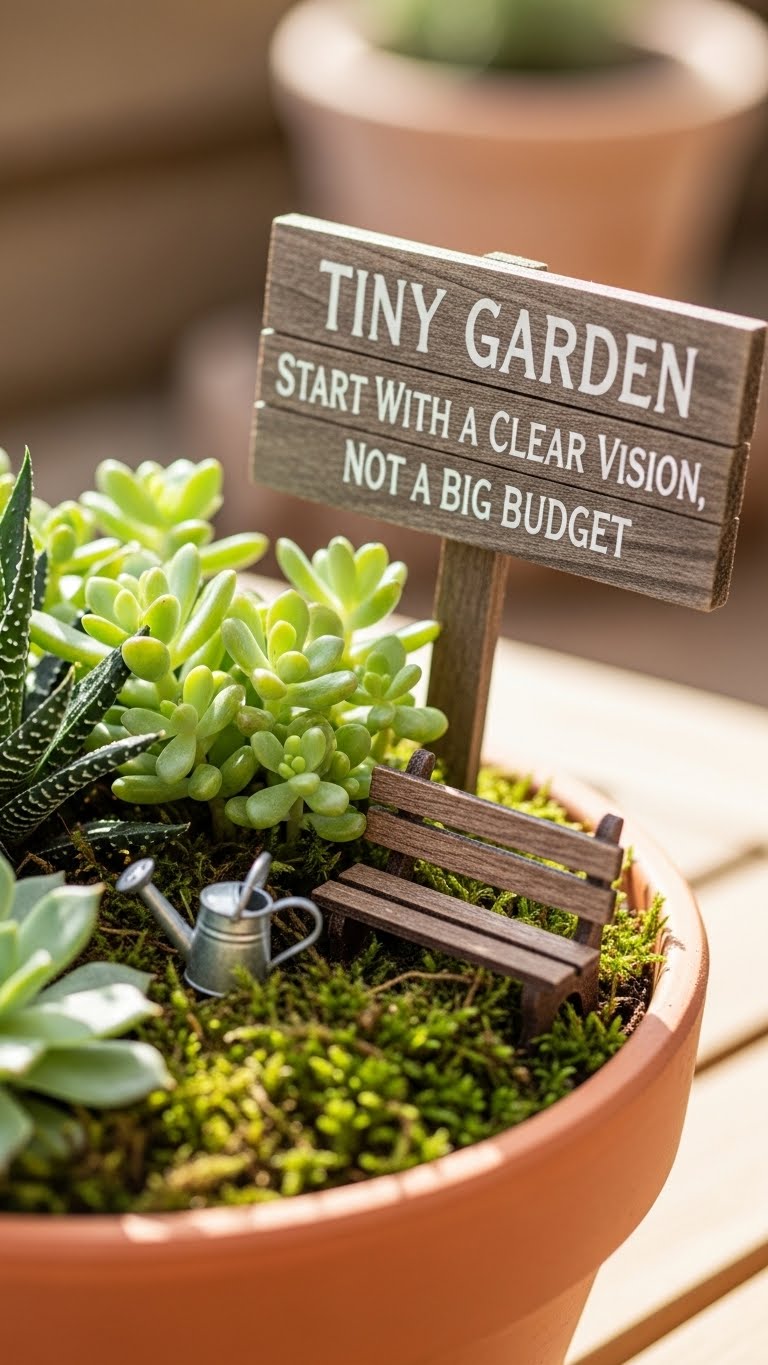
If you’re new to gardening, a tiny garden is actually a blessing in disguise. Smaller spaces are easier to understand, easier to manage, and far less overwhelming than large yards. You can experiment, make mistakes, and learn without feeling like everything is out of control. A tiny garden gives you the freedom to start slow, build confidence, and enjoy the process instead of stressing over perfection.
What makes tiny gardens so satisfying is how quickly they transform. Even small changes make a visible difference, which is incredibly motivating for beginners. With the right approach, a tiny garden can feel just as charming and inviting as a large one — sometimes even more so.
Start With a Clear Vision, Not a Big Budget
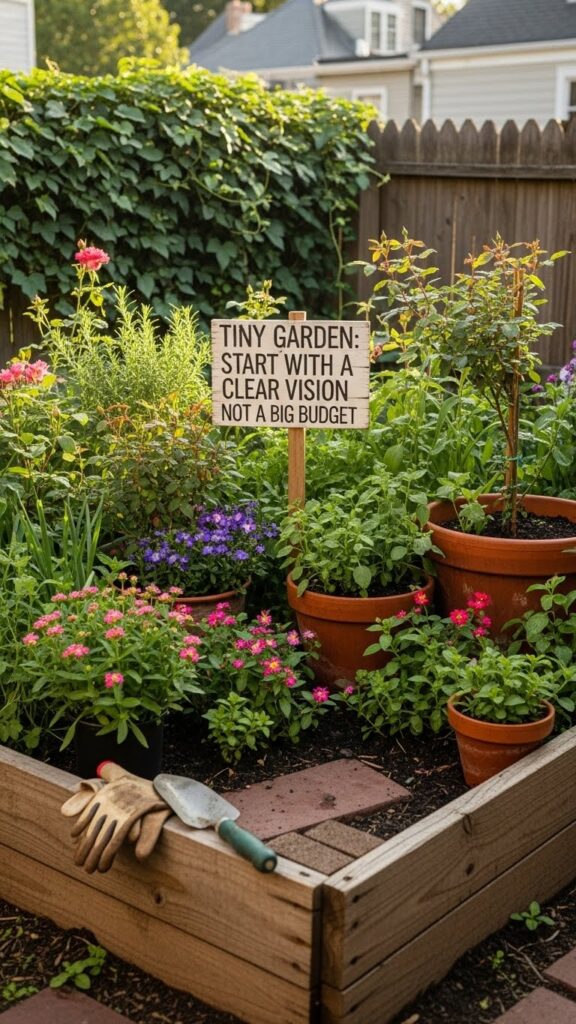
One of the biggest mistakes beginners make is buying plants and decor without a plan. Before spending money, take time to imagine how you want your tiny garden to feel. Do you want cozy and relaxed, fresh and green, or colorful and cheerful? Having a simple vision helps you make better choices and prevents clutter.
You don’t need a big budget to create something beautiful. In fact, limited space often means limited spending. Focus on a few key elements instead of trying to change everything at once. A clear vision keeps the makeover manageable and helps your garden feel intentional rather than random.
Start With a Clear Vision, Not a Big Budget
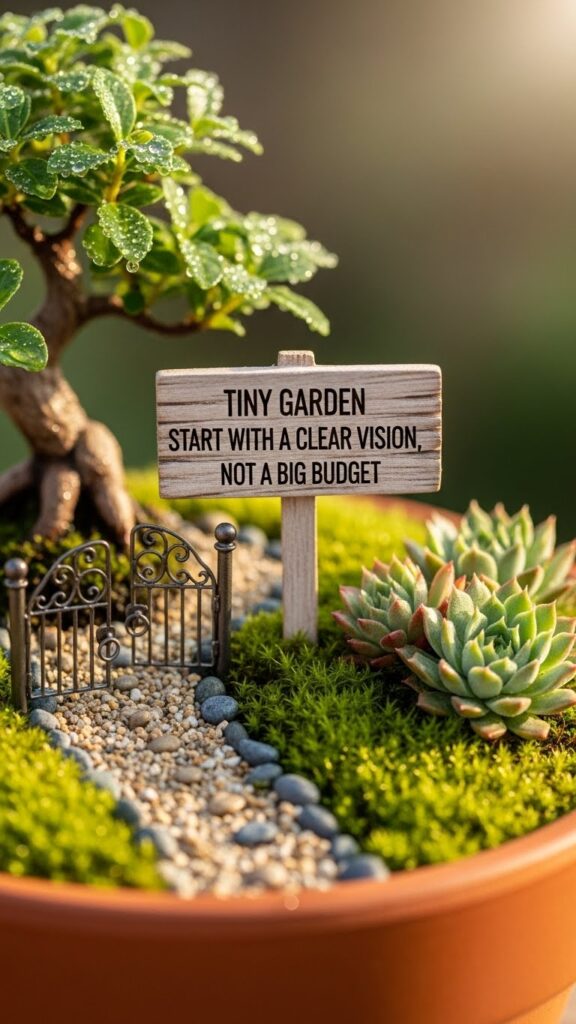
Before adding anything new, start by clearing out what’s already there. Remove broken pots, dead plants, weeds, and anything that feels messy or unused. This simple step instantly makes the space feel bigger and more open, which is especially important in a tiny garden.
Cleaning up also helps you see the space more clearly. Once the garden is stripped back, it’s easier to notice natural light patterns, existing textures, and potential focal points. This reset stage costs nothing but makes a huge difference in how the final makeover turns out.
Choose Beginner-Friendly Plants That Are Hard to Kill
Plant choice can make or break a tiny garden makeover, especially for beginners. Start with low-maintenance plants that don’t require constant care. Herbs, succulents, ferns, snake plants, and hardy flowering plants are great options because they’re forgiving and adaptable.
In a small space, fewer plant varieties usually look better than many different types. Repeating the same plants in different spots creates a cohesive look and makes the garden feel more polished. As your confidence grows, you can always experiment with more delicate plants later.
Use Pots and Planters for Flexibility
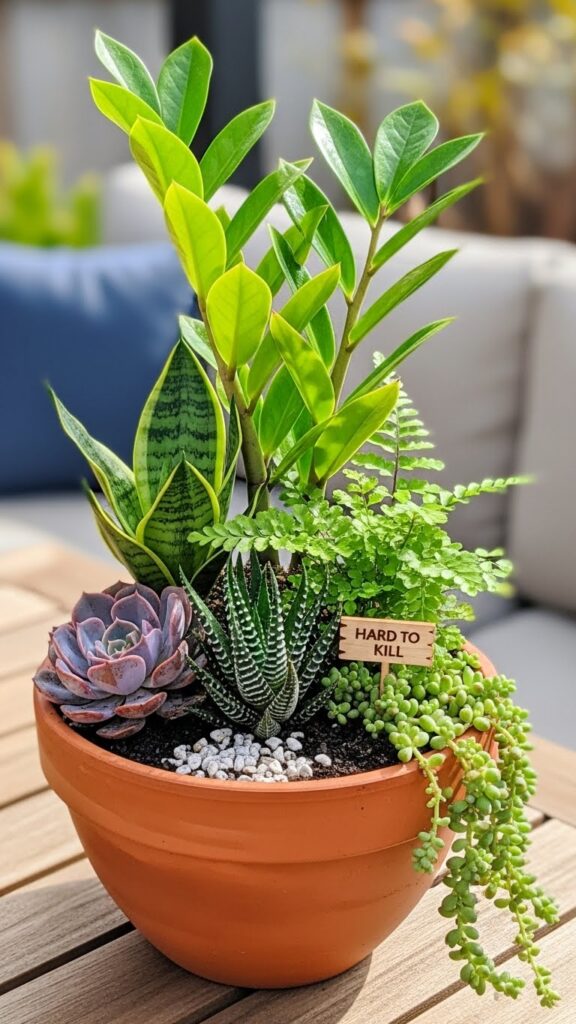
Pots and planters are a beginner’s best friend. They allow you to move plants around, adjust sunlight exposure, and change the layout easily. If something doesn’t work, you’re not stuck with it. This flexibility makes gardening feel less intimidating and more fun.
In tiny gardens, mixing different pot sizes adds visual interest without taking up much space. Neutral or earthy tones work well because they don’t overpower the greenery. Over time, you can swap plants seasonally while keeping the same pots, which keeps costs low and style consistent.
Vertical Gardening to Save Space
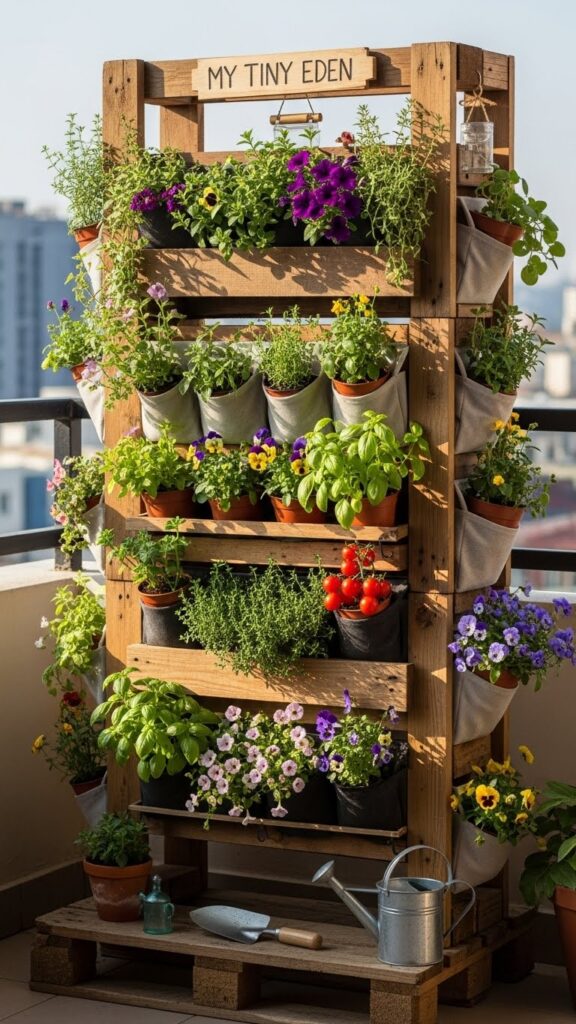
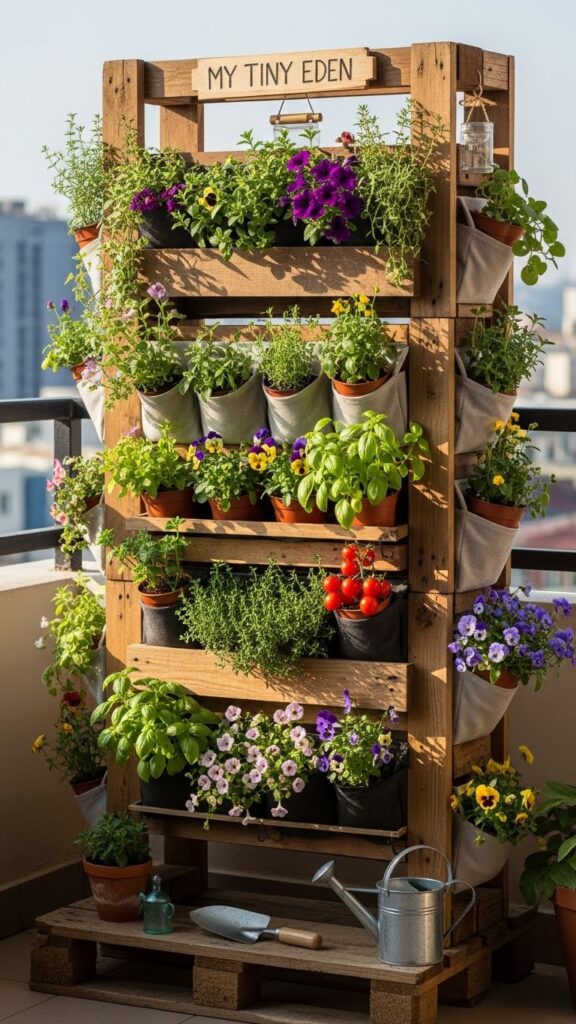
When floor space is limited, vertical gardening becomes a game changer. Wall-mounted planters, hanging baskets, and climbing plants allow you to add greenery without crowding the ground. This makes tiny gardens feel fuller and more dynamic.
Vertical elements also draw the eye upward, making the space feel taller and more open. For beginners, this is an easy way to create impact with minimal effort. Even a single wall with hanging plants can completely change the feel of a small garden.
Create a Small Seating Spot, Even If It’s Just One Chair
You don’t need a full outdoor set to enjoy your garden. A single chair, stool, or small bench is enough to make the space usable. Having somewhere to sit turns the garden from something you look at into something you experience.
Choose seating that suits the scale of your garden. Foldable chairs or compact benches are perfect for beginners because they’re easy to move and store. Once you have a place to sit, you’ll naturally spend more time in the garden, which helps you connect with it.
Read more about Backyard Seating Area Cozy Setup Ideas
Add Soft Lighting for Instant Charm
Lighting is one of the easiest ways to make a tiny garden feel magical, especially in the evening. String lights, solar lanterns, or small fairy lights add warmth without requiring complicated installation. For beginners, solar lights are especially appealing because they’re low-effort and energy-efficient.
Soft lighting creates atmosphere and makes the garden feel cozy instead of dark and unused. Even just one strand of lights or a couple of lanterns can completely change how the space feels after sunset.
Use Simple Decor Without Overdoing It
Decor should enhance your garden, not overwhelm it. In tiny spaces, less really is more. Choose one or two decorative elements that reflect your personality — a small water feature, a lantern, or a decorative planter is often enough.
Natural materials like wood, stone, and ceramic blend beautifully with plants and are beginner-friendly. Avoid filling every corner. Leaving some space empty helps the garden feel calm and balanced rather than cluttered.
Improve the Ground With Easy Fixes
You don’t need to redo the entire ground to improve how your tiny garden looks. Simple fixes like adding gravel, stepping stones, or a small outdoor rug can make a big difference. These options are affordable and easy to install, even for beginners.
Ground improvements help define areas and make the space feel finished. They also reduce mud and mess, which makes maintaining the garden easier over time.
Focus on One Focal Point
Every good garden, no matter how small, benefits from a focal point. This could be a plant you love, a cozy seating corner, or a decorative feature. Having one main focus gives the eye somewhere to rest and makes the garden feel thoughtfully designed.
For beginners, choosing a focal point keeps the makeover simple. Instead of trying to improve everything at once, you can build around that one feature and let the rest of the garden support it.
Learn as You Go Without Pressure
One of the best tiny garden makeover ideas for beginners is to give yourself permission to learn slowly. Plants grow, seasons change, and not everything will work the first time. That’s part of the process, not a failure.
Tiny gardens are forgiving. You can adjust, move things around, and try again without major consequences. The more time you spend in the garden, the more natural it will feel to make decisions that work for your space.
Conclusion: Small Steps, Big Transformation
A tiny garden makeover doesn’t require experience, expensive tools, or perfect knowledge. With simple choices, beginner-friendly plants, and a little creativity, even the smallest space can become something beautiful. Start small, enjoy the process, and let your garden grow with you — one step at a time.