
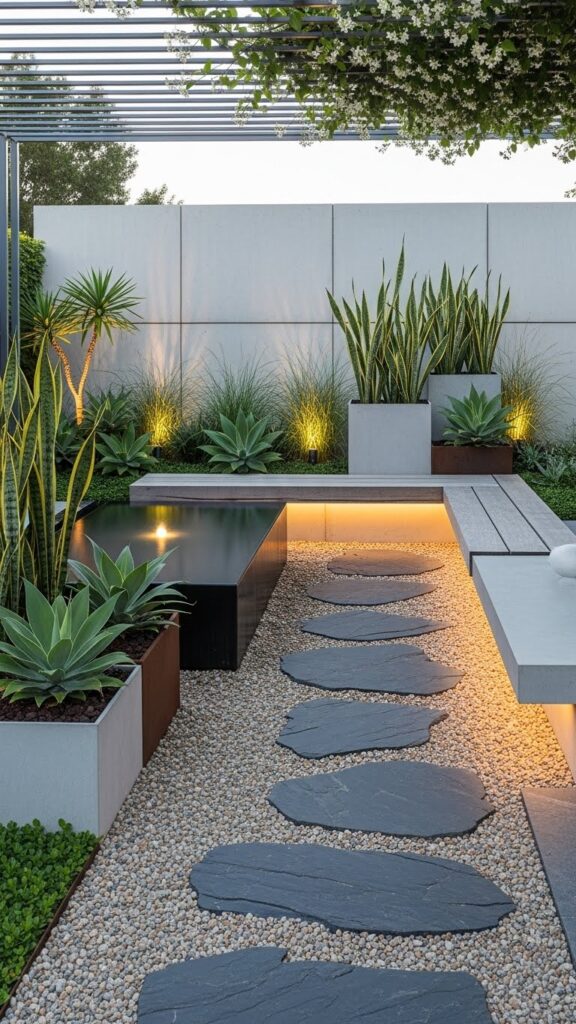
Modern minimalist garden decor is all about breathing space. It’s not loud, crowded, or overflowing with color. Instead, it feels calm the moment you step into it, like the outdoors has been gently edited down to only what truly matters. Clean lines, simple materials, and thoughtfully placed elements create a space that feels intentional but never cold. This kind of garden doesn’t shout for attention. It quietly pulls you in, inviting you to slow down, sit longer, and notice the details you’d normally rush past.
What makes minimalist garden design so appealing today is how easily it fits into modern life. Busy schedules, small outdoor areas, and the desire for low-maintenance spaces have made people crave gardens that look good without constant effort. A minimalist garden isn’t empty — it’s balanced. Every plant, stone, and piece of furniture has a reason for being there, and that clarity is what gives the space its elegance.
Clean Lines and Structured Layouts
One of the most defining features of modern minimalist garden decor is the use of clean, structured lines. Paths are often straight or gently geometric, guiding the eye without overwhelming it. Raised beds, rectangular planters, and linear walkways create a sense of order that feels calming rather than rigid. This structure helps the garden feel cohesive, especially in urban or small backyard spaces where visual clutter can quickly make things feel cramped.
Using symmetry or intentional asymmetry also plays a big role here. You might place matching planters on either side of a seating area or use a single strong axis that draws the eye from the house into the garden. The goal isn’t perfection but flow. When the layout feels logical, the garden becomes easier to enjoy because nothing feels random or distracting.
Neutral Color Palettes That Feel Timeless
Modern minimalist gardens rely heavily on neutral color palettes, and there’s a good reason for that. Shades of white, beige, gray, taupe, and soft black create a calm backdrop that allows greenery to shine naturally. These colors don’t compete with plants — they frame them. When everything around the plants is understated, even the simplest foliage looks intentional and refined.
Neutral tones also age beautifully. Unlike trendy colors that may feel dated in a few years, a minimalist palette remains timeless. Whether you’re using concrete planters, stone tiles, or wooden decking, sticking to muted tones helps the garden feel serene year after year. You can always add subtle seasonal accents through cushions or small decor items without disrupting the overall aesthetic.
Low-Profile Garden Furniture
Furniture in a minimalist garden should feel like an extension of the space, not the main attraction. Low-profile seating, sleek benches, and simple outdoor chairs work best because they don’t visually dominate the garden. Materials like wood, metal, and woven textures in neutral shades blend seamlessly with the environment while still offering comfort.
Instead of filling the garden with multiple furniture pieces, focus on one well-designed seating area. A single bench under a tree or a small lounge setup on a patio can be enough. The idea is to leave room for air and movement, allowing the garden to feel open rather than crowded. Less furniture often means the space feels more luxurious, not less functional.
Thoughtfully Chosen Plants
Plant selection is crucial in modern minimalist garden decor. Instead of dozens of different species, minimalist gardens usually feature just a few plant varieties repeated throughout the space. This repetition creates visual harmony and makes the garden feel intentional rather than chaotic. Grasses, sculptural shrubs, and evergreen plants are especially popular because they provide structure and year-round interest.
Plants with clean shapes, like boxwood, olive trees, bamboo, or ornamental grasses, fit perfectly into this style. They don’t require constant pruning to look good, and their simple forms complement the overall design. Even flowering plants, when used sparingly, can add beauty without breaking the minimalist feel. One flowering tree or a small cluster of blooms is often enough.
Stone, Concrete, and Natural Materials
Modern minimalist gardens often rely on raw, natural materials to create texture without visual noise. Stone, concrete, and gravel are favorites because they feel grounded and timeless. Concrete planters or stepping stones bring a modern edge, while natural stone adds warmth and organic variation to the space.
Using these materials also helps blur the line between indoors and outdoors, especially in contemporary homes. A concrete patio that flows seamlessly from the house into the garden can make the entire area feel larger and more connected. When materials are repeated — for example, the same stone used in pathways and seating walls — the garden feels cohesive and thoughtfully designed.
Simple Water Features for a Calm Atmosphere
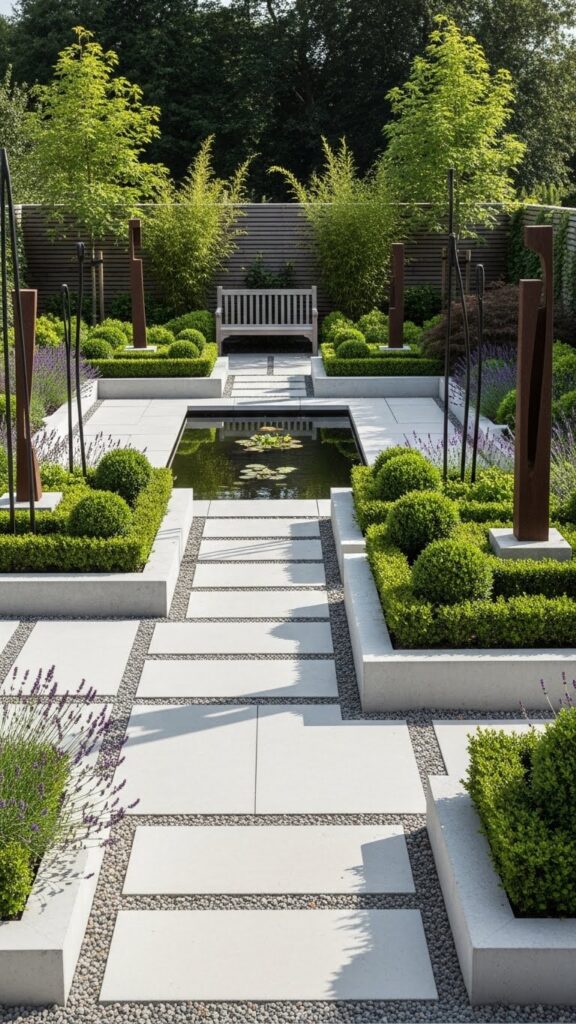
Water features in minimalist gardens are subtle but incredibly effective. Instead of dramatic fountains or ornate ponds, modern designs favor clean, simple forms. A narrow reflecting pool, a small wall-mounted water feature, or even a single stone basin with gently flowing water can add movement and sound without overwhelming the space.
The soft sound of water instantly makes a garden feel more peaceful. It also helps mask city noise, making minimalist gardens especially appealing for urban homes. When designed simply, water features become a quiet focal point — something you notice more with time rather than all at once.
Outdoor Lighting That Enhances, Not Distracts
Lighting is often overlooked, but it’s essential in modern minimalist garden decor. The goal is not to flood the space with light but to highlight key elements gently. Soft pathway lights, subtle uplighting on trees, or warm LED strips along steps can transform a garden after sunset without ruining its calm vibe.
Minimalist lighting focuses on functionality and atmosphere. Fixtures are usually hidden or designed to blend into the surroundings. Warm light tones work best, as they create a cozy feel while maintaining the clean aesthetic. When done right, lighting makes the garden feel inviting at night without drawing attention to the fixtures themselves.
Minimal Decor With Maximum Impact
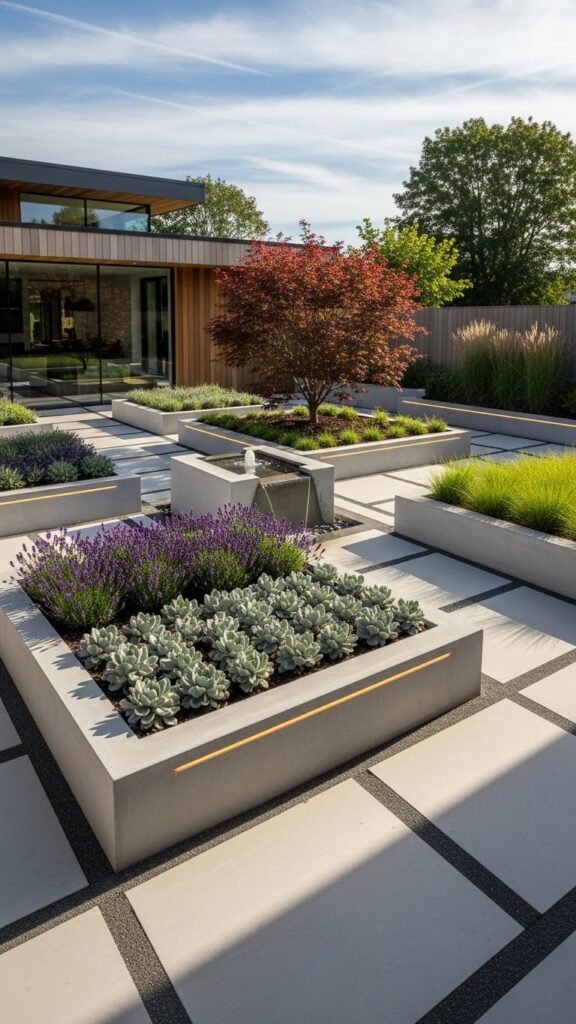
Decor in a minimalist garden should be used sparingly, but each piece should feel intentional. A single sculptural planter, a modern fire bowl, or a carefully chosen outdoor artwork can become a focal point without cluttering the space. The key is restraint. If everything is a statement, nothing truly stands out.
Natural textures work beautifully here. Think stone sculptures, ceramic pots, or simple wooden accents. These elements add personality while still respecting the minimalist approach. It’s better to have one piece you truly love than several items that dilute the overall look.
Creating a Seamless Indoor-Outdoor Connection
Modern minimalist gardens often feel like an extension of the home rather than a separate area. Large sliding doors, matching flooring materials, and consistent color palettes help blur the boundary between indoors and outdoors. This connection makes even small gardens feel larger and more usable.
When the garden echoes the interior style of the home, the transition feels natural. A minimalist living room flowing into a clean, modern garden creates a sense of continuity that’s both practical and visually pleasing. This seamless design is one of the reasons minimalist gardens feel so effortlessly stylish.
Read more about Modern Minimalist Garden Decor Ideas That Feel Stylish Beautiful
Minimalist Gardens for Small Spaces
One of the biggest advantages of minimalist garden design is how well it works in small spaces. Balconies, courtyards, and narrow backyards can all benefit from a pared-down approach. By limiting plant varieties and decor, small gardens feel open rather than cramped.
Vertical elements like tall planters or slim trees can add height without taking up valuable floor space. Mirrors, light-colored materials, and simple layouts also help reflect light and create the illusion of more space. In small gardens, minimalism isn’t just a style choice — it’s a smart design solution.
Low-Maintenance Living Made Stylish
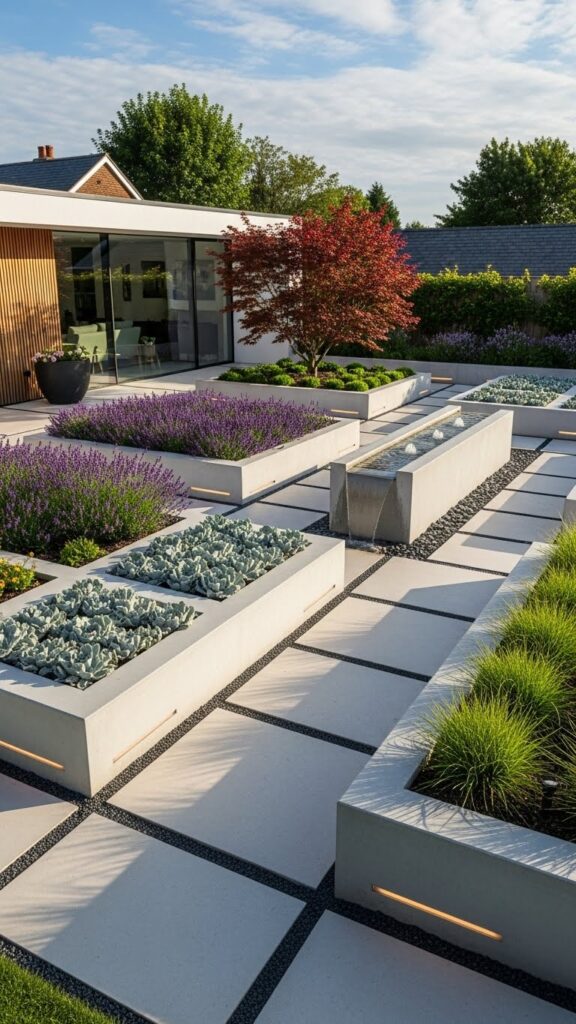
A modern minimalist garden isn’t just beautiful; it’s practical. Fewer plants mean less watering, pruning, and general upkeep. Hardscaping materials like gravel and stone reduce the need for constant maintenance, making the garden easier to care for over time.
This low-maintenance aspect is a huge reason why minimalist gardens are so popular today. You get a space that looks polished and calm without spending every weekend working on it. It’s a garden designed to be enjoyed, not managed.
Conclusion: Less Really Is More
Modern minimalist garden decor proves that you don’t need excess to create beauty. With clean lines, thoughtful plant choices, and a calm color palette, even the simplest outdoor space can feel refined and welcoming. When everything has purpose, the garden becomes a place to breathe, relax, and reconnect with nature in the most effortless way.